An arrest in Fort Lauderdale can move fast. One day you are going about your routine, the next you are being booked, assigned a case number, and facing a court date you did not expect. Attorney Michael G. Salazar Jr. has spent over 34 years walking clients through exactly this moment, and the first thing he tells every new client is the same: what you do in the days right after an arrest matters as much as what happens in the courtroom later.
What an Arrest Actually Starts
Being arrested is not the same as being convicted. It opens a process, an arraignment, possible pretrial motions, negotiations with the State Attorney’s Office, and potentially a trial. Florida criminal cases range from municipal ordinance violations up through first-degree felonies, and the path each case takes depends heavily on how it is handled from the very beginning.
A fort lauderdale criminal defense lawyer who understands Broward County’s courts, prosecutors, and procedures can often shape the outcome of a case long before it ever reaches a jury, through how evidence is challenged, how bond is argued, and how early negotiations are approached.
The Range of Cases The Salazar Law Firm Handles
The Salazar Law Firm’s criminal defense practice spans both felony and misdemeanor matters, including charges involving theft, drugs, violence, DUI, sex offenses, and probation. With more than 4,000 criminal cases and 7,500 traffic criminal cases handled over the firm’s history, Attorney Salazar has built a working knowledge of how Broward County judges and prosecutors actually operate, not just what the statute books say.
Why Early Representation Changes the Trajectory of a Case
Evidence can be time sensitive. Witnesses’ memories fade. Surveillance footage gets overwritten. Deadlines to file certain motions or request specific hearings can pass quickly. Waiting to hire an attorney until closer to a court date can mean losing opportunities that were available immediately after the arrest.
What Happens After an Arrest in Fort Lauderdale
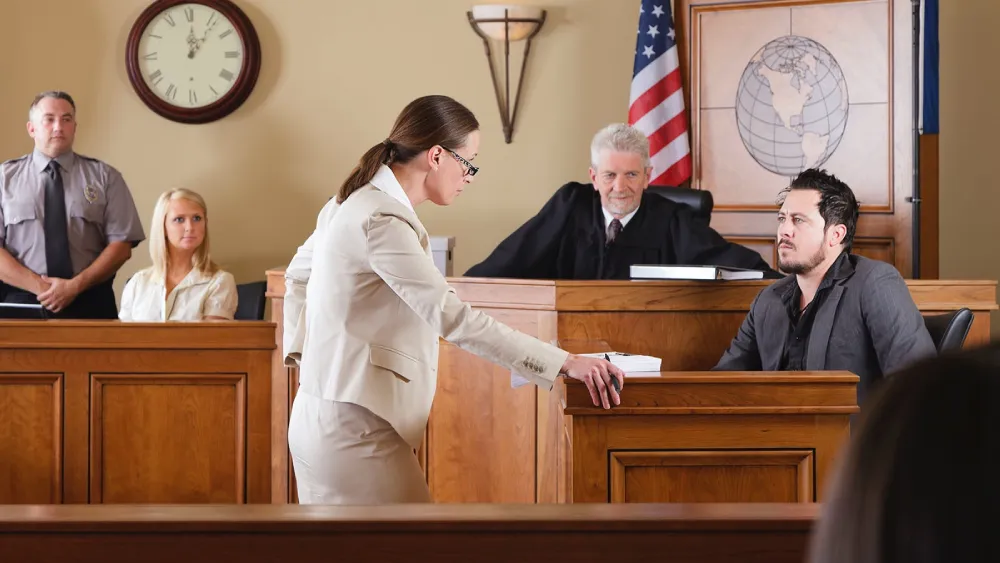
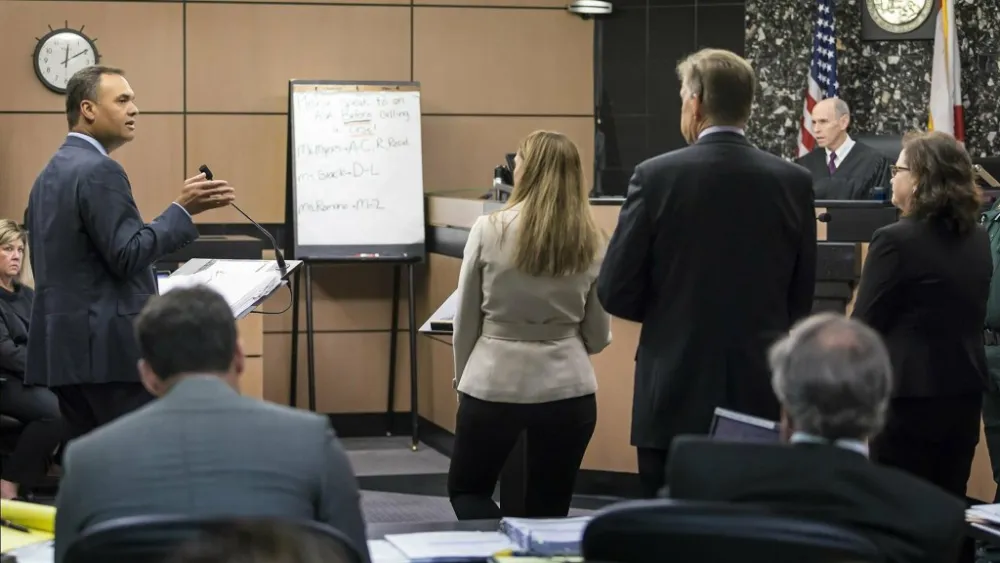
Most criminal cases in Broward County follow a similar sequence, though the pace and details vary by charge. After an arrest, a defendant typically has a first appearance before a judge within 24 hours, where bond is addressed. From there, the case proceeds to arraignment, where a formal plea is entered. The discovery phase follows, during which both sides exchange evidence, witness lists, and reports. Depending on the case, pretrial motions may be filed to challenge evidence or seek dismissal, and many cases are ultimately resolved through negotiation with the State Attorney’s Office rather than proceeding to trial. Understanding where a case sits in this process, and what options exist at each stage, is part of what an experienced defense attorney brings to the table.
What to Expect During a Consultation
A first meeting with Attorney Salazar typically involves a detailed review of the arrest report, the specific charges filed, and the circumstances leading up to the arrest. This allows him to identify potential issues early, whether that involves how evidence was gathered, whether proper procedure was followed, or what defenses may be available given the facts of the case.
The Cost of Waiting
Some people delay contacting an attorney because they assume their case is minor, or because they are still processing what happened and are not ready to think about next steps. Understandably so, but this delay can carry real costs. Bond conditions are typically set early, and requesting a modification later in the process is often harder than addressing it from the start. Evidence favorable to the defense, such as surveillance footage from a nearby business, can be overwritten or deleted within days if it is not requested promptly. And in some cases, statements made to investigators or even well-meaning friends and family in the immediate aftermath of an arrest can later be used in ways that complicate a defense. None of this means a case is lost if a few days pass before hiring an attorney, but it does mean that acting sooner rather than later generally preserves more options.
Frequently Asked Questions
Do I need a lawyer if this is my first arrest in Fort Lauderdale?
Yes. A first arrest still carries real consequences, including a permanent record if convicted. Early legal guidance helps you understand your specific charges and options before you say or sign anything that could affect your case.
How quickly should I contact The Salazar Law Firm after an arrest?
As soon as possible. Contacting the firm immediately gives Attorney Salazar the most time to review the arrest, gather information, and begin building a defense strategy before key deadlines pass.
Will every criminal case end up going to trial?
No. Many cases are resolved through negotiation with prosecutors before ever reaching trial, though the right path depends entirely on the facts of the case and the client’s goals. Some cases do proceed to trial when that is the right strategy.
If you or someone you know has been arrested in Fort Lauderdale, The Salazar Law Firm is available to review your case. Call (954) 467-1965 to speak with Attorney Michael G. Salazar Jr.