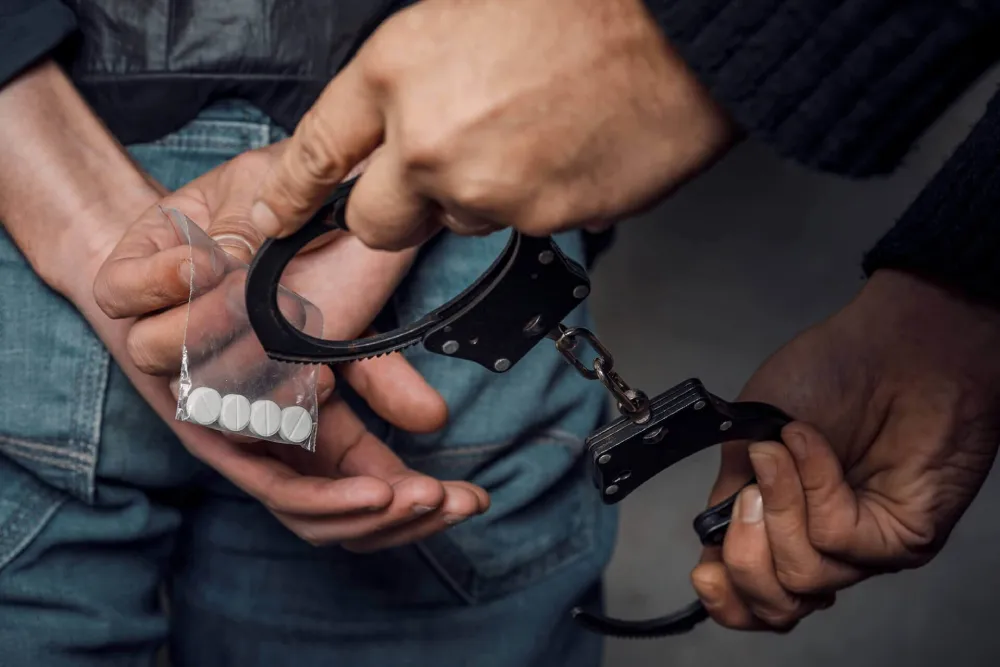
A drug possession charge in Fort Lauderdale can carry more serious consequences than many people expect, particularly for substances classified higher on Florida’s controlled substance schedules. Attorney Michael G. Salazar Jr. has defended drug possession cases across Broward County for over 34 years.
How Florida Charges Possession
Under Florida Statute 893.13, possession applies when a person knowingly has a controlled substance in their actual possession, meaning on their person, or constructive possession, meaning in a place they control, such as a vehicle or home, with knowledge of its presence. A fort lauderdale drug possession lawyer examines closely how that knowledge and control are proven, since both elements are required for a conviction.
Penalties Vary by Substance
Possession of substances like cocaine, heroin, or methamphetamine is generally charged as a third-degree felony, carrying up to five years in prison and a fine of up to $5,000. Possession of smaller amounts of cannabis, under 20 grams, is typically charged as a first-degree misdemeanor instead. The specific substance and quantity involved significantly shape what penalties are on the table.
Common Defense Considerations
Possession cases frequently turn on how the substance was found, whether the search that led to its discovery was lawful, and whether the State can actually prove the defendant knew the substance was present. Attorney Salazar reviews each of these factors when building a defense strategy.
Diversion Programs May Be an Option
Depending on the circumstances and criminal history involved, some drug possession cases in Broward County may be eligible for a pretrial diversion or drug court program, which can allow a first-time or lower-level offender to avoid a formal conviction by completing specific requirements such as treatment or education programs. Not every case qualifies, and eligibility depends on the specific facts, but it is worth having an attorney evaluate whether this path applies to your situation.
Possession With Intent to Sell Is a Different Charge
Simple possession is treated differently under Florida law than possession with intent to sell or deliver, which carries enhanced penalties. Prosecutors sometimes point to circumstantial factors, such as packaging materials or the quantity involved, to argue for the more serious charge, making it important for a defense to address these specific factual claims directly.
Zone Enhancements Can Raise the Stakes
Florida law increases penalties for certain drug offenses that occur within a specified distance of a school, park, public housing facility, college campus, or place of worship, sometimes referred to as zone enhancements. These enhancements apply based on the location where the offense occurred rather than any connection to the protected location itself, which means a charge can be enhanced even without evidence that children or other vulnerable individuals were actually involved. Reviewing whether a zone enhancement was properly applied is an important part of evaluating a possession case.
Why the Specific Substance Matters
Not all controlled substances are treated equally under Florida’s possession statute, and the classification of a substance on Florida’s controlled substance schedules directly affects the severity of a possession charge. Attorney Salazar reviews exactly what substance is alleged, how it was identified, and whether that identification can withstand scrutiny, since lab testing errors and misidentification are not unheard of in possession cases.
Frequently Asked Questions
Can I be charged with possession of something in my car that isn’t mine?
Possibly, under Florida’s constructive possession doctrine, but the State still has to prove you knew the substance was there and had control over it. This is often a key point of contention in possession cases.
Is drug possession always a felony in Florida?
No. It depends on the substance and the amount. Some possession charges, such as small amounts of cannabis, are misdemeanors, while possession of other controlled substances is typically a felony.
Could I qualify for a diversion program instead of a conviction?
It depends on your specific charge, your criminal history, and the policies of the prosecuting office. An attorney can evaluate whether this may be a realistic option in your case.
A Careful, Individualized Review
Every possession case involves its own specific facts, from how the substance was discovered to what was said during the encounter with law enforcement. Attorney Salazar reviews these details closely with each client, since even small factual differences can meaningfully change what defenses are available and how a case is best approached. This individualized review often reveals options a general understanding of the law alone would not surface.
If you are facing a drug possession charge in Fort Lauderdale, contact The Salazar Law Firm at (954) 467-1965 to speak with Attorney Michael G. Salazar Jr.